
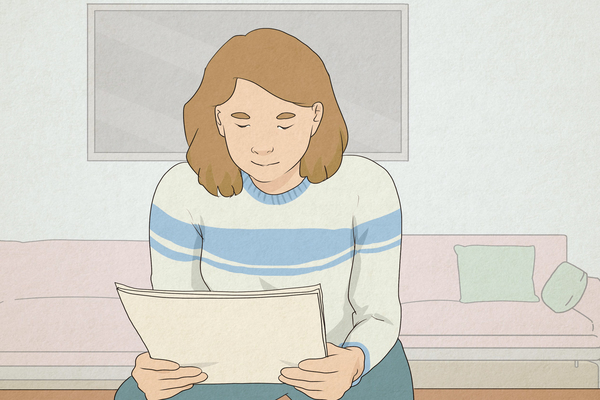
SCRIPT LEARNING TECHNIQUES: Mastering Lines Like a Pro Actor
SCRIPT LEARNING TECHNIQUES-Some people seem naturally gifted at memorizing scripts, while others find it challenging. But here’s the truth—every actor struggles with learning lines at some point. Whether you’re preparing for a stage performance, an audition, or a long monologue for the camera, memorization is a skill you can develop with the right techniques and mindset.
Script learning isn’t just about repeating words until they stick. It’s about understanding, connecting, and owning the material. When you combine smart memorization techniques with strong script analysis, you transform lines into living, breathing dialogue.
Let’s dive deep into proven script learning techniques that actors—beginners and professionals alike—use to memorize effectively and perform confidently.
Understanding the Challenge of Script Memorization
Before jumping into techniques, it’s important to understand why memorizing scripts feels difficult:
- Scripts can be long and complex
- Time pressure (auditions, shoots, rehearsals)
- Performance anxiety
- Lack of emotional connection to lines
- Trying to “cram” instead of process
The key shift?
👉 Stop treating memorization as a burden and start seeing it as part of your creative process.
Script analysis gives you the foundation for character development, but memorization brings that character to life.
Why Script Learning Is Essential for Actors
Memorizing lines isn’t just about accuracy—it directly impacts your performance:
- Builds confidence in front of camera or audience
- Allows emotional freedom (you’re not stuck thinking about lines)
- Improves timing and delivery
- Helps you stay present in the scene
When lines are fully internalized, you stop reciting and start living the character.
Proven Tips to Memorize Lines Effectively
1. Write Your Lines Out by Hand
Writing your lines manually is one of the most powerful memorization techniques.
Why it works:
- Engages muscle memory
- Strengthens visual recall
- Improves focus
How to do it:
- Take a notebook and write only your lines
- Avoid copying the entire script
- Repeat the process 2–3 times
This technique is especially useful for long monologues or speeches.
2. Break Down the Script into Smaller Parts
Trying to memorize everything at once is overwhelming—and ineffective.
Smart approach:
- Divide the script into sections
- Focus on one chunk at a time
- Repeat until it feels natural
Example:
Instead of memorizing 3 pages:
- Start with 5–6 lines
- Master them
- Move to the next section
This method reduces stress and increases retention.
3. Take Breaks to Recharge Your Brain
Memorization is not about constant repetition—it’s about effective repetition.
Why breaks matter:
- Prevent mental fatigue
- Improve long-term memory
- Increase focus
What to do during breaks:
- Go for a walk
- Listen to music
- Eat something light
- Take a short nap
Even a 10–15 minute break can reset your brain and improve learning.
4. Read Your Lines Out Loud
Silent reading is not enough for actors.
Benefits of reading aloud:
- Improves pronunciation
- Builds vocal rhythm
- Helps with emotional delivery
Practice tip:
- Read your lines to a friend
- Record yourself and listen back
- Practice in front of a mirror
Acting is vocal and physical—your memorization should reflect that.
5. Explore the Material Deeply
Actors don’t just memorize—they understand.
Ask yourself:
- What is my character feeling?
- Why am I saying this line?
- What is my objective?
When you connect emotionally, lines become easier to remember.
👉 You’re not memorizing words—you’re telling a story.
6. Study Before Sleep
This is a highly effective but often ignored technique.
Why it works:
Your brain processes information during sleep, strengthening memory.
How to use it:
- Spend 30–60 minutes reviewing lines before bed
- Don’t overwork your brain
- Keep it calm and focused
You’ll often notice improved recall the next day.
7. Use Repetition—But Smartly
Repetition is essential, but avoid mindless repetition.
Effective repetition method:
- Read → Recall → Repeat
- Cover the script and try speaking lines
- Check and correct
This builds active memory, not passive reading.
8. Practice with Movement
Your body helps your brain remember.
Try this:
- Walk while rehearsing
- Use gestures
- Act out the scene
This creates physical memory, making recall easier during performance.
9. Record and Listen to Your Lines
Turn your script into an audio tool.
Steps:
- Record your lines (or full scene)
- Listen while traveling, walking, or relaxing
- Pause and repeat
This method is great for busy actors.
10. Practice in Real Performance Conditions
Don’t just memorize sitting down.
Simulate:
- Camera setup
- Stage movement
- Lighting environment
This helps you adapt and reduces performance anxiety.
Advanced Script Learning Techniques
1. Emotional Anchoring
Link each line to a specific emotion.
Example:
- Anger → faster delivery
- Sadness → slower tone
Emotion makes lines memorable.
2. Keyword Technique
Instead of memorizing full sentences, focus on key trigger words.
Example:
Line: “I never thought you would betray me like this.”
Keyword: betray
This helps your brain recall the full sentence naturally.
3. Visualization
Imagine the scene in your mind like a movie.
- Where are you?
- Who are you talking to?
- What is happening around you?
Visualization strengthens memory and performance.
4. Practice with a Partner
Working with someone adds realism.
- Improves timing
- Builds reaction skills
- Makes memorization interactive
Common Mistakes Actors Make
Avoid these if you want faster results:
❌ Trying to memorize everything in one sitting
❌ Ignoring character understanding
❌ Not taking breaks
❌ Relying only on silent reading
❌ Panicking when lines don’t stick
Remember: Memorization is a process, not an instant result.
Managing Performance Pressure
Even after memorizing, actors often feel nervous.
Tips:
- Practice breathing exercises
- Trust your preparation
- Focus on the scene, not the audience
Confidence comes from preparation—and repetition.
Building Your Personal Memorization Style
Every actor is different.
Some learn best by:
- Writing
- Speaking
- Listening
- Acting
Experiment and find what works for you.
There’s no “one-size-fits-all” method.
Final Thoughts
Learning a large number of lines can feel overwhelming—especially when time is limited. But don’t stress if everything doesn’t click immediately.
👉 Your brain is working in the background.
👉 Trust the process.
👉 Stay consistent.
Every actor improves with practice. The difference between a beginner and a professional isn’t talent—it’s discipline and technique.
About Training & Learning Acting
For those serious about building a career in acting, modeling, or filmmaking—proper guidance can make a huge difference.
You can explore professional training programs at
MS Asian Film Academy
They offer both online and offline learning for kids and adults.
📞 WhatsApp: 7986080819
FAQs – Script Learning Techniques
1. How long does it take to memorize a script?
It depends on the length and complexity. Short scenes may take a few hours, while long monologues can take several days.
2. What is the fastest way to memorize lines?
Breaking the script into sections, writing lines by hand, and repeating them out loud is one of the fastest methods.
3. Is it normal to forget lines during rehearsal?
Yes, absolutely. Forgetting is part of the learning process. With repetition, your memory improves.
4. Should I memorize lines word-for-word?
Yes, especially for professional work. But understanding the meaning helps you remember them more naturally.
5. Can listening to recordings help memorization?
Yes, it’s a very effective technique, especially when combined with speaking practice.
6. How do actors memorize long monologues?
By breaking them into parts, practicing daily, and connecting emotionally with the material.
7. Is memorization harder for beginners?
Not necessarily. Beginners just need the right techniques and consistent practice.
8. How important is script analysis?
Very important. It helps you understand the character and makes memorization easier.
9. Should I practice every day?
Yes. Even 30–60 minutes daily can significantly improve your memory.
10. What if I still struggle with memorization?
Try different methods—writing, speaking, recording, acting—and find what suits you best. Everyone learns differently.
If you stay consistent and apply these techniques, you’ll notice a big improvement not just in memorization—but in your overall acting performance too.
Supported by Nav Times News, Powered by MSasian Entertainment , Supported by MSAFA